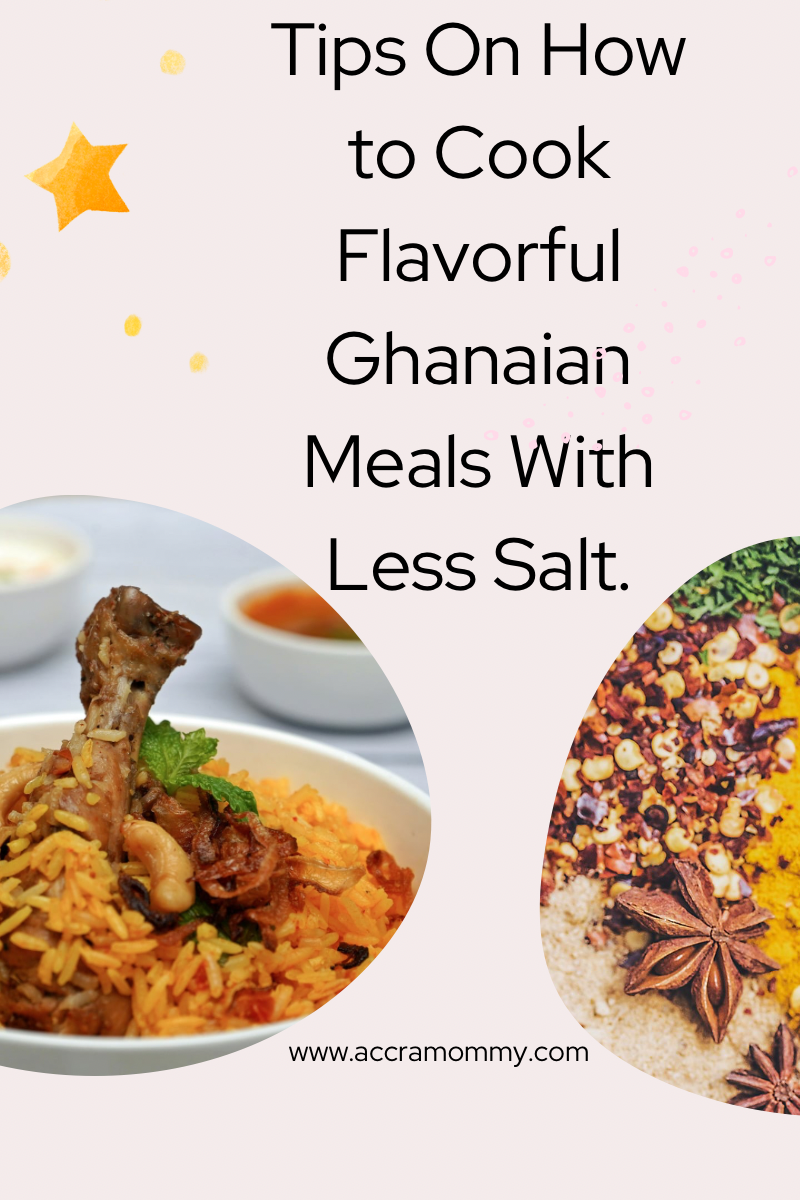
Tips On How to Cook Flavorful Ghanaian Meals With Less Salt.
Hypertension has been on the rise for some years now in Ghana, with many doctors advising Ghanaians to cut back on salt intake in their meals. It’s quite surprising that around 3.5 million adults have high blood pressure, which has made this lifestyle disease a major public health concern. That is a big number, right? It’s the leading cause of hospital admissions and premature deaths, according to this article by John Hopkins University.
I remember my mom having hypertension a few years ago, and she’s still taking meds for it. Recently, she was asked to cut back on salt, and naturally, she wasn’t happy about it at all! So I encouraged her to focus on increasing the amount of aromatics and other ingredients when preparing the base for her stews and soups, which is usually centered around the tomato stew and proteins.
When you do think about it, our Ghanaian meals are actually salty, and our consistent use of stock cubes isn’t helping us one bit. I’ve seen people cook Angwamo and add salt to the rice forgetting that salted beef is in there, then they add sausage ( processed meat with salt), chofi and fried egg (also with salt).
In recent years, highly processed foods have found their way to our supermarket shelves and meandered slyly even into our neighborhood corner stores. Most of these processed foods are high in saturated fats and salts, and many Ghanaians are consuming them for being convenient and sometimes cheap. I’ve personally seen people scoop raw salt into their soups and stews at our local chop bars, which already are stock cube enriched. Our local markets are flooded with all kinds of packaged spices with dubious-looking ingredients in powdery form. Nobody checks these spice labels and people often rely on misleading adverts to convince them in their purchasing decision.
Due to rapid urbanisation, modern work lifestyle is now sedentary, which increases the risk of the average low-middle income Ghanaian being hypertensive. Most people will eat heavy Fufu & Light Soup at their favourite local chop bars/eateries, get into their cars to the office, and sit for 3 hours if not more, close work, buy doughnuts and meat pie on the drive back home, and immediately hit the sofa and doom scroll for several hours. Many people don’t drink sufficient water during the day, often using soda and other drinks to quench long-held thirst.
If you’ve been prescribed with being hypertensive or you’ve been meaning to cut back on your salt intake, then read on.
Fresh Natural Herbs
Stop using stock cubes and choose fresh natural herbs such as parsley, coriander, basil, thyme, oregano, lemongrass, sage, etc. We need to go back to using natural herbs like our local basil (Akukɔ mɛsa/ Wuɔbaa) in our meals. Basil imparts a wonderful aroma to chicken dishes when used as a seasoning. My grandma had several basil plants behind the house, which she’d pluck and wash and drop into her light soup.
Lemongrass is extremely popular in Ghana and also cheaply sold at most floral centres. Crush the base and use it to season your chicken or fish. You’d be amazed at how tasty the final meal will turn out. In using these natural herbs, you can drastically use less salt in your dishes, and over time, your palate gets used to less salty dishes.
2. Lean Meats
Traditionally, the average Ghanaian buys freshly cut, unseasoned, and unprocessed meats from the local butcher or abattoir for home-cooked meals. But of late, processed meats & sausages have flooded the markets at cheaper prices, which consumers choose over the fresh meats. Most of these sausages, which many people buy, are high in salt, which acts as a preservative agent. Bacon, salami, and other cured meats have become staples in some middle and high-income homes, meanwhile, they’re heavily loaded with salt during the curing process.
Lean meats are naturally low in sodium; hence, it’s best to choose fresh meats for cooking most often.
3. Aromatics
The holy trinity of spices in Ghana: ginger, onion, and garlic increase flavour during the steaming of chicken, pork, or beef. Increase the quantity of aromatics with the natural fresh herbs mentioned earlier, and you’d realise you hardly need so much salt. Onions can really make a stew taste sweeter, and when you add ginger, you get a lovely mix of sweet and zingy flavors. If you love fish, crush garlic with ginger, add some sprigs of coriander and chilli pepper with a pinch of salt, and you’re assured of a winning dish!
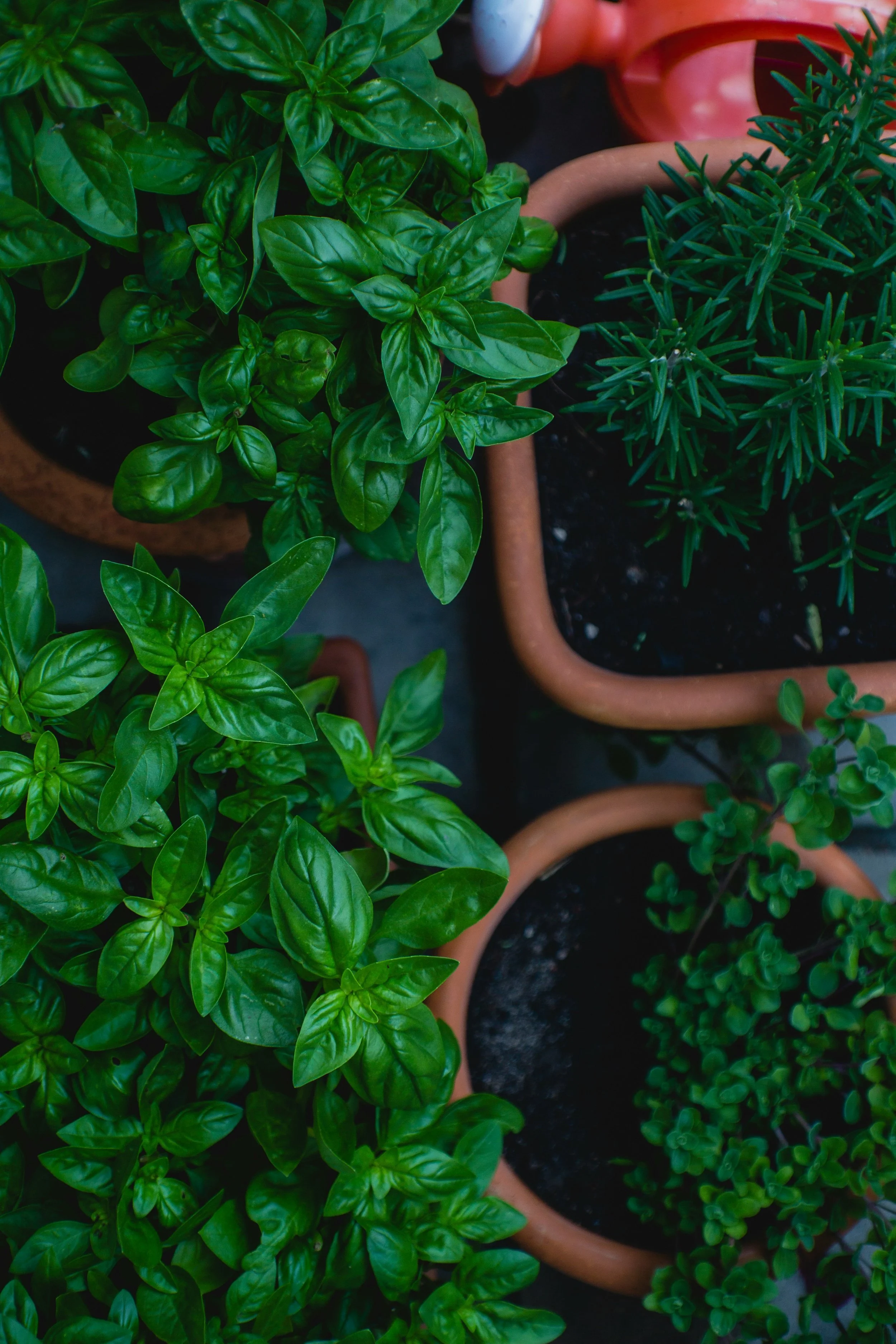
Photo by Markus Spiske via Unsplash
4. Citruses
Citruses like lemon, orange, and lime add a cheery zest to any salad, spaghetti dish, cooked rice, and curry sauces. A few drops of lemon squeezed into rice a few minutes before it’s done cooking elevate the rice flavour so you wouldn’t need to salt it so much in the beginning. Try this method with boiled yam also. Avoid salty vinaigrettes or mayo salad creams on most supermarket shelves by making your own at home. The salt content in most of these products will definitely elevate your blood pressure. A squeeze of lime mixed with honey is a hack for dressing up your homemade salad without the addition of salt. Super tasty!
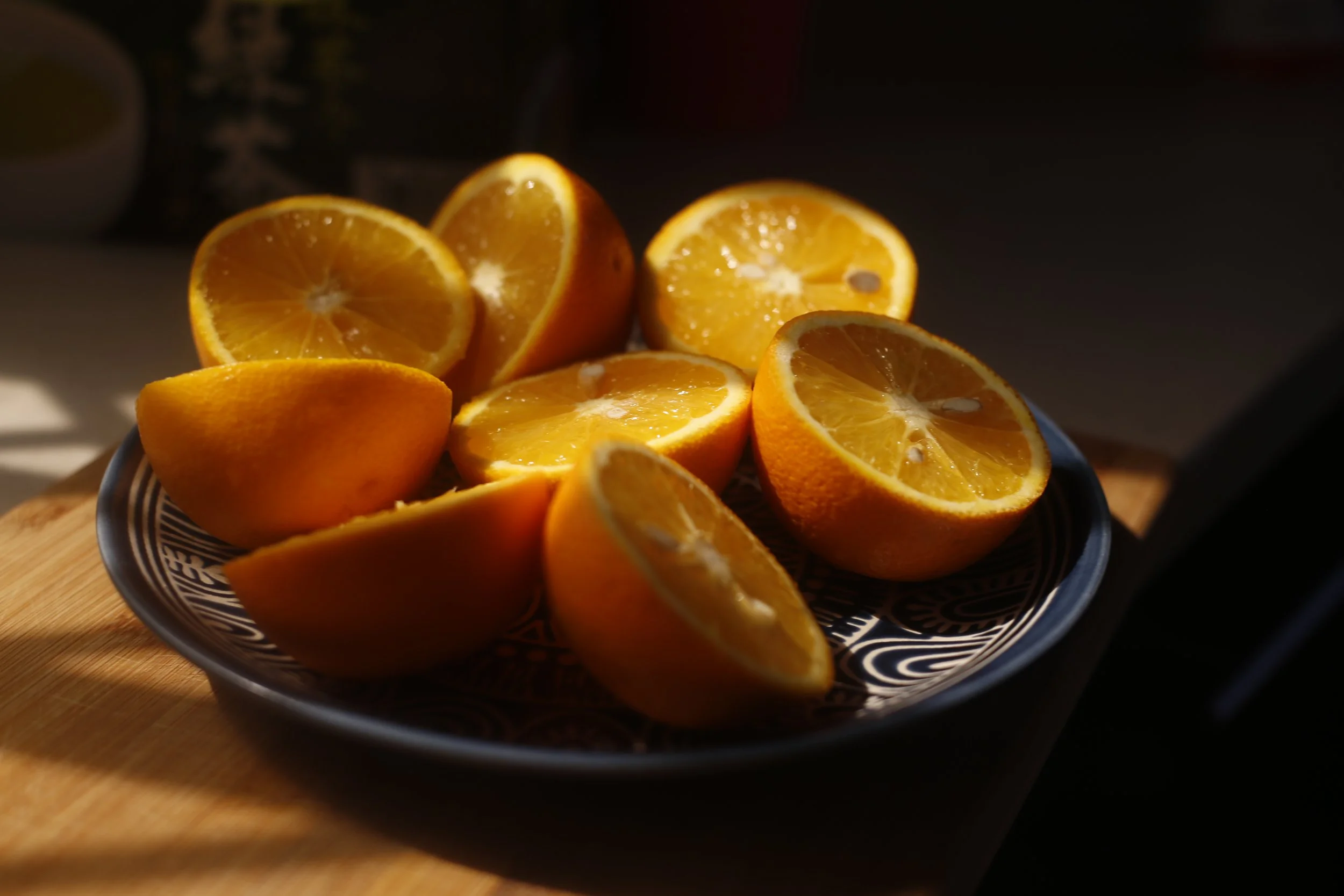
Photo by Naa Oyoo Quartey
5. Whole Spices
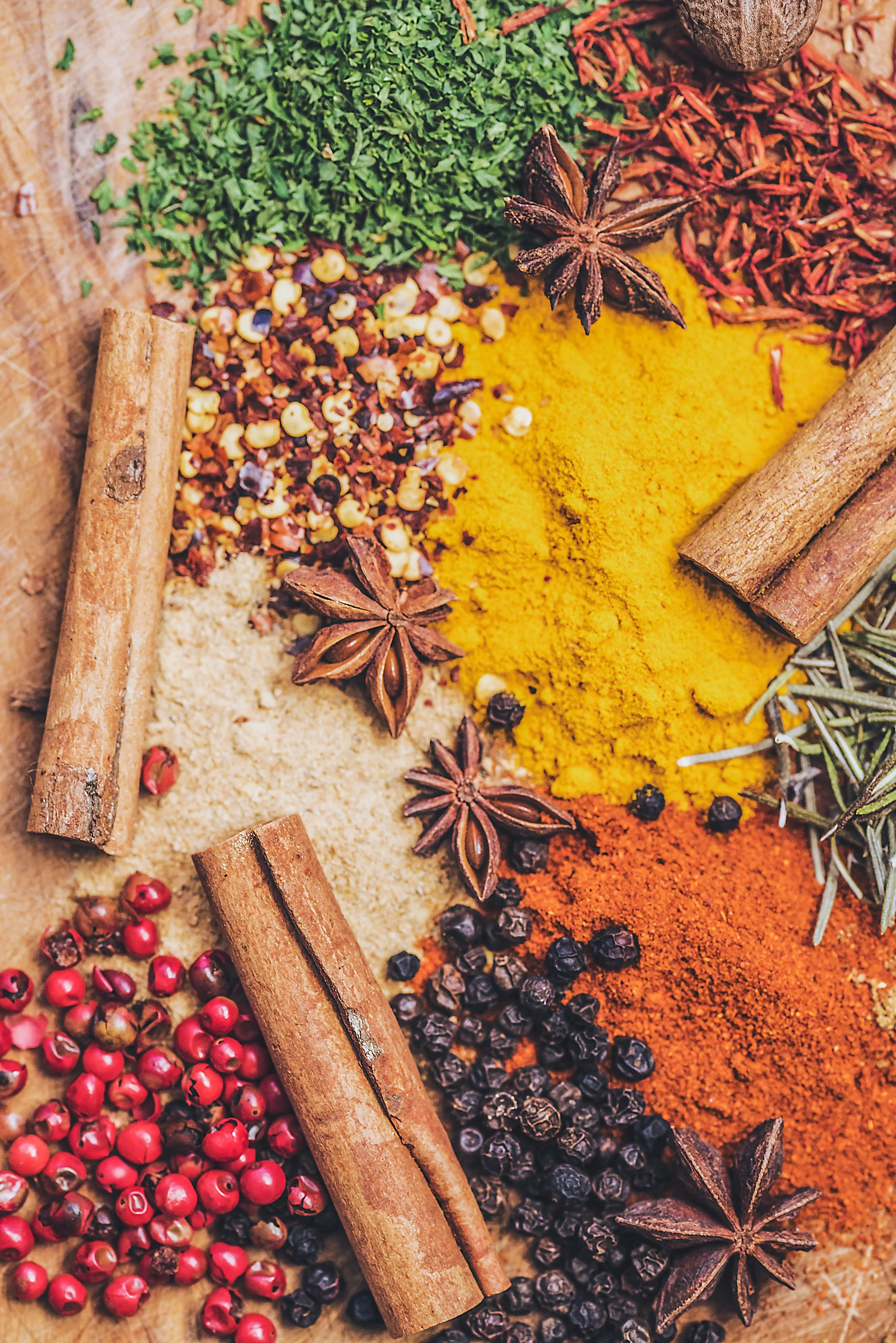
Instead of buying packaged spices with unidentifiable ingredients, choose whole spices at the market, which you can further process at home. Some seasonings and spices are processed with salt, which increases the quantity of salt you’d already may have added to a soup or stew for further flavouring. Nutmeg, cloves, coriander, hwentia, calabash nutmeg, rosemary, garlic, etc., are better in their whole state. If you can find a spice vendor who produces spices without added salt, then stick to them.
6. Whole foods
In our fast-paced lives, canned foods are a lifesaver, saving us precious time. However, there’s a downside to many canned foods: the high salt content. Opt for whole foods like beans, tomatoes, and chickpeas instead of the canned versions. This simple switch can significantly reduce your daily salt intake. To save even more time, soak beans and chickpeas overnight to speed up the cooking process. Plus, cooking this way ensures you get a much richer and more nutritious meal.
7. Umami Flavours
In Ghana, we are blessed with many umami ingredients such as dried shrimp, dried mushroom powder, dried anchovies (Amane powder), dawadawa, to name but a few. These are all umami flavours packed with anti-inflammatory minerals, omega-3, and calcium. Adding these ingredients and reducing salt is a game changer!
The good news is that reducing salt doesn’t mean sacrificing flavour. By using fresh herbs like basil and lemongrass, aromatics such as ginger, garlic, and onions, citrus fruits, whole spices, and local umami-rich ingredients like dawadawa and dried shrimp, you can create delicious meals with far less salt. I hope these tips will help you in reducing the salt quantity in your home-cooked meals. Don’t forget to drink more water also! If you learnt something new, please do share this post! No gatekeeping allowed 😂.