The EPA Ban On Styrofoam Is Coming. Are We Ready To Take Our Own Bowls?
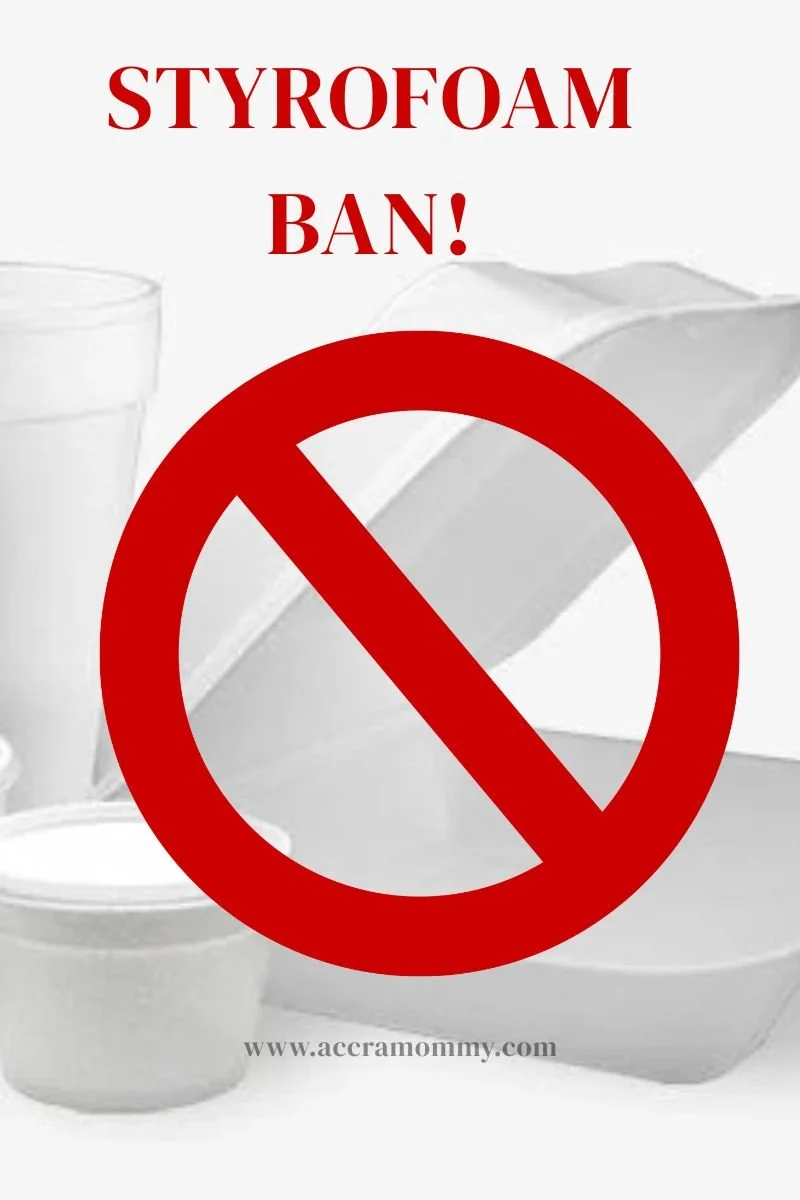
This is the kind of news I want to hear and see anytime I log into X. The Environmental Protection Authority (EPA) has finally issued a press release letter on it’s decision to ban the production, importation, distribution sale & use of polystyrene aka styrofoam. I say finally because it’s been almost a year since H.E John Mahama declared plans to ban the ‘takeway’ styrofoam packs which highly contribute to environmental pollution in the country. In his speech on the 5th of June, 2025 during the launch of the 2025 national tree planting exercise, the President of the Republic also stressed the need for sustainable environmentally friendly alternatives where food packaging was concerned.
Find the press release below:
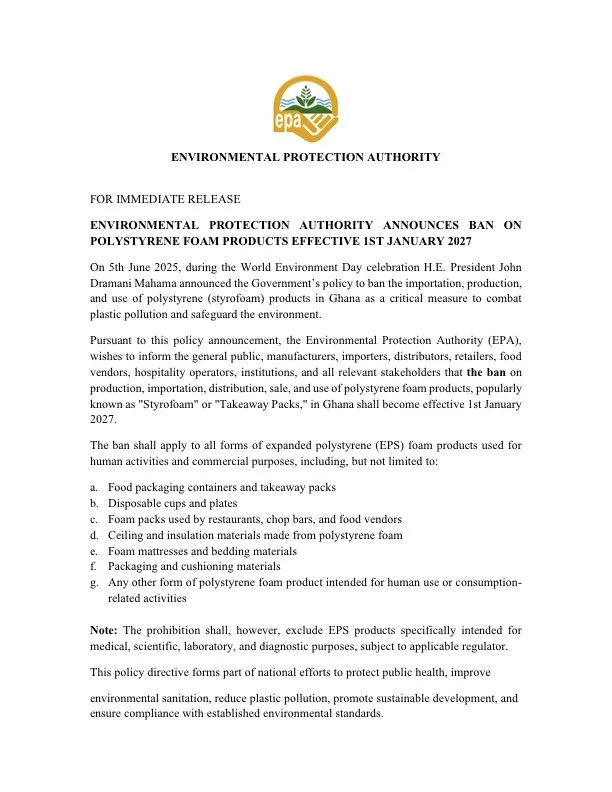
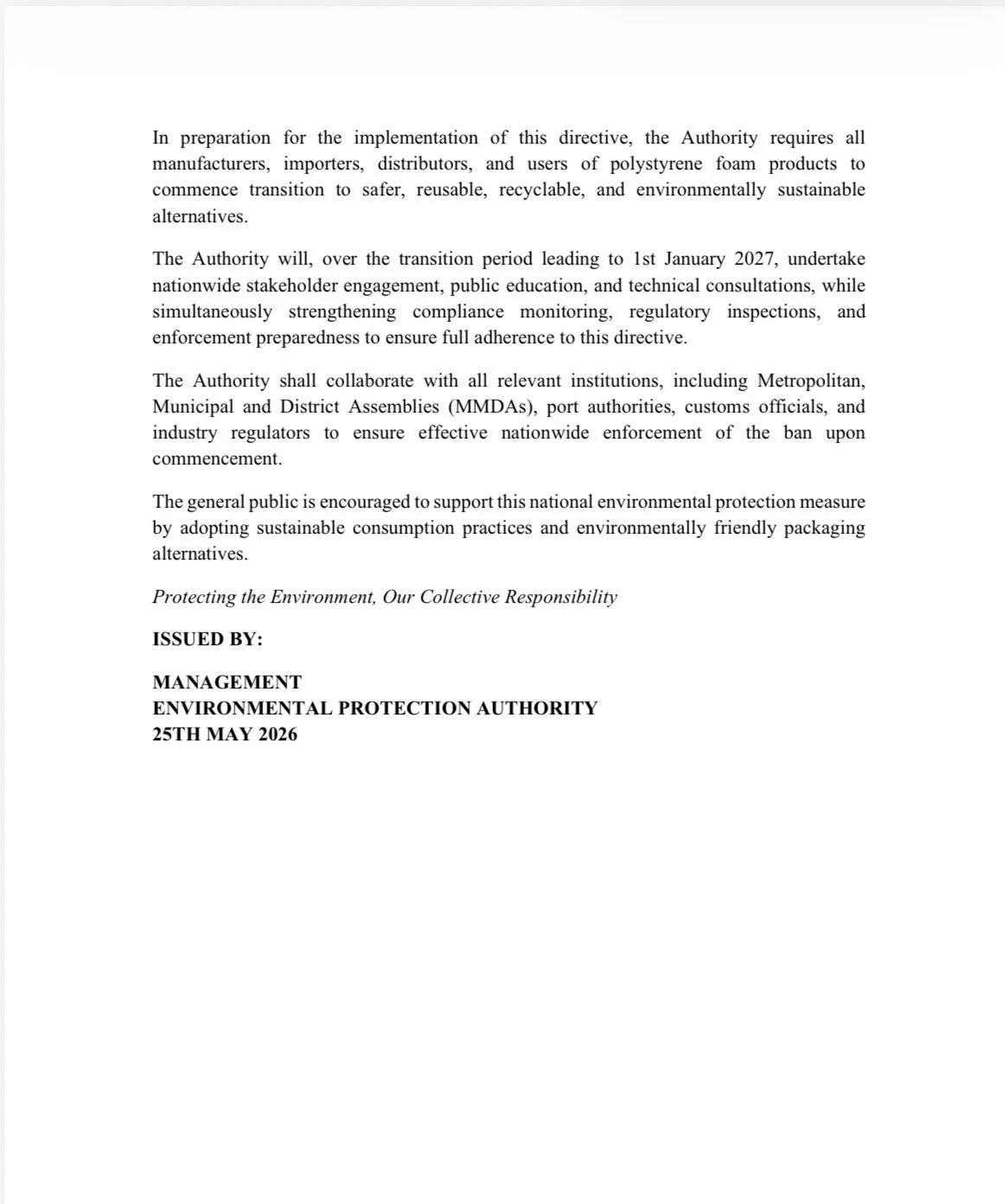
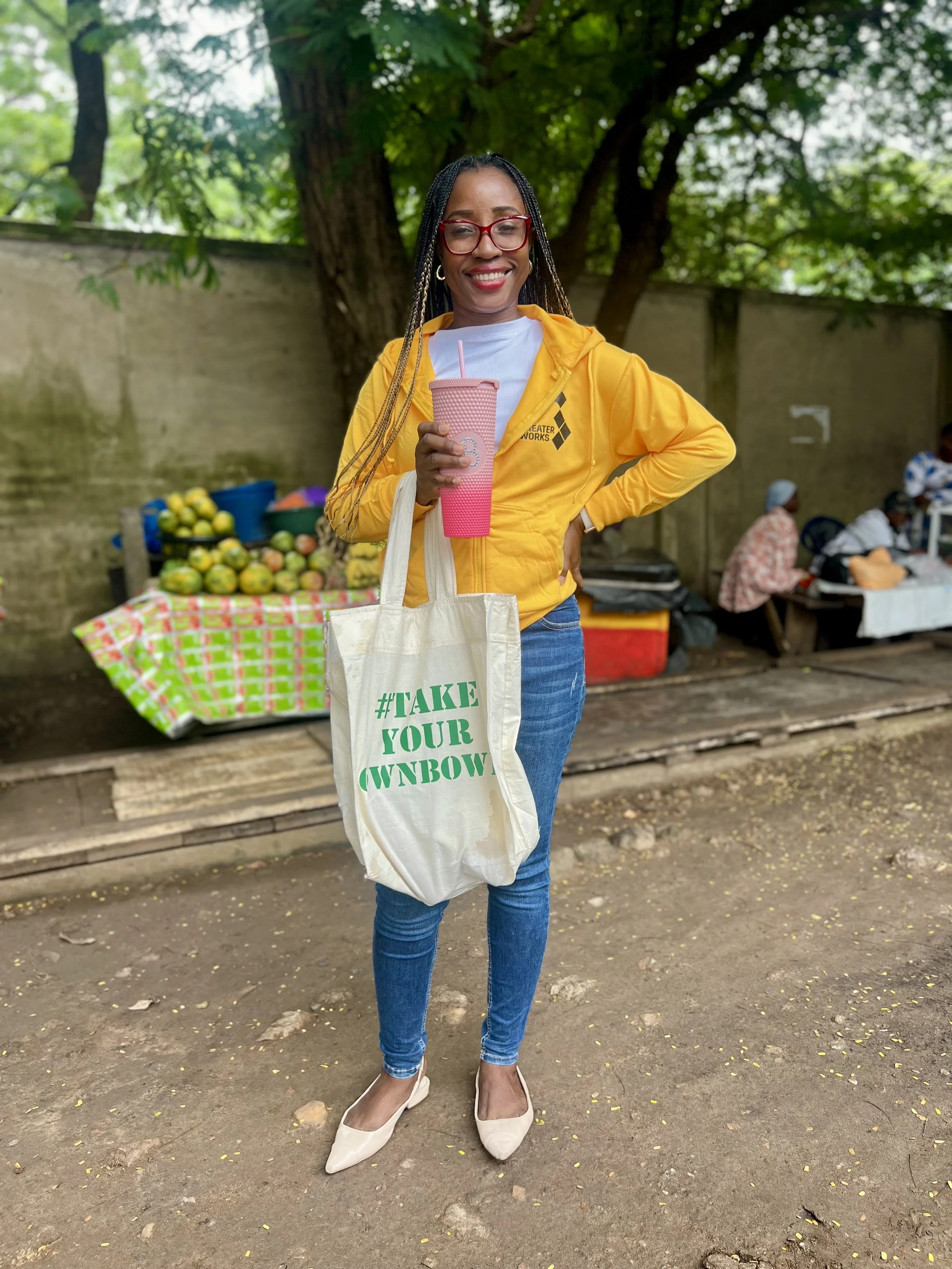
Ever since I initiated the #TakeYourOwnBowl campaign which focused on creating the awareness of using personal bowls when buying food, I’ve become more eco-conscious about how plastics and other products affect my health and that of the environment. I cringe everytime I see someone buying gob3 and watch with mortification as steaming hot beans is poured directly into the styrofoam pack. One time I asked the beans vendor if she knew that the ‘takeaway’ pack was harmful and her response got me quiet. Her response was basically: most people prefer the Styrofoam packs for its durability, and sometimes that’s what their office boss requested for.
It’s encouraging to read that the EPA will embark on public awareness & education where this ban is concerned because the average Ghanaian mindset towards plastics & styrofoam is a deep-rooted one and behavioural change towards this food packaging will be quite thorny. I’d like to focus on the how we as consumers can change our behavior as this ban affects how we buy food and drinks from street food vendors and restaurants.
Why Styrofoam “Takeaway Packs” Is Dangerous For Consumers.
Did you know Styrofoam is simply the branded name for Expanded Polystyrene? In a nutshell what we buy our hot Gobɛ in is actually synthetic expanded polystyrene rebranded to styrofoam. Expanded polystyrene leaches harmful chemicals like styrene into hot foods thus posing a severe health risks on people. The crazy aspect of this is that our bodies are slowly accumulating all these harmful chemicals in our bodies over time and one day a hospital visit reveals that we have cancer. We then wonder how cancer cases keeps rising in Ghana when it wasn’t so some decades ago. Convenience is good but we have to keep sustainability in mind when choosing what makes our life easier.
How Consumers Can Change Their Behaviour Following the Styrofoam Ban
Carry Your Own Bowl or Flask (TYOB)
Buy your own personal bowl. Go to Melcom or China Mall and grab a bowl (ceramic or glass) with a good seal, and get your personal flask with a stainless steel lining. Owning your own food container is nothing strange. What happened to the time we used to buy food in a Pyrex bowl placed in a basket covered with lace? How did we retrogress? Plastics and Styrofoam take hundreds of years to break down and are choking our gutters! The May rains are showing us pepper today because of plastic pollution and building on waterways.
2. Normalize Refusing The Takeaway Pack
I have consistently been refusing to accept food or groceries in any form of plastic, so much that the shop vendors ask for my recyclable bag when I’m done shopping. I also present my bowl when buying waakye or ask for the katamfe leaves. If the leaves are not available and I don’t have a bowl, I’d rather walk away than buy food in a takeaway pack. I walk the talk, and you can too. The more you ask for the leaves or present your bowl, the more street food vendors will adapt to this new sustainable way of serving food.
Support Vendors Using Eco-Friendly Packaging
There are a few food vendors who are using eco-friendly packaging in serving their customers, support them and post about them on your socials. Amplify their sustainable actions and soon other vendors will also want to get the attention. Support food vendors which use recycled food packs (recycled sugarcane bowls, paper packs, leaves to wrap banku or biodegradable packaging). As a consumer your spending can drive real change.
Plan Ahead for Convenience
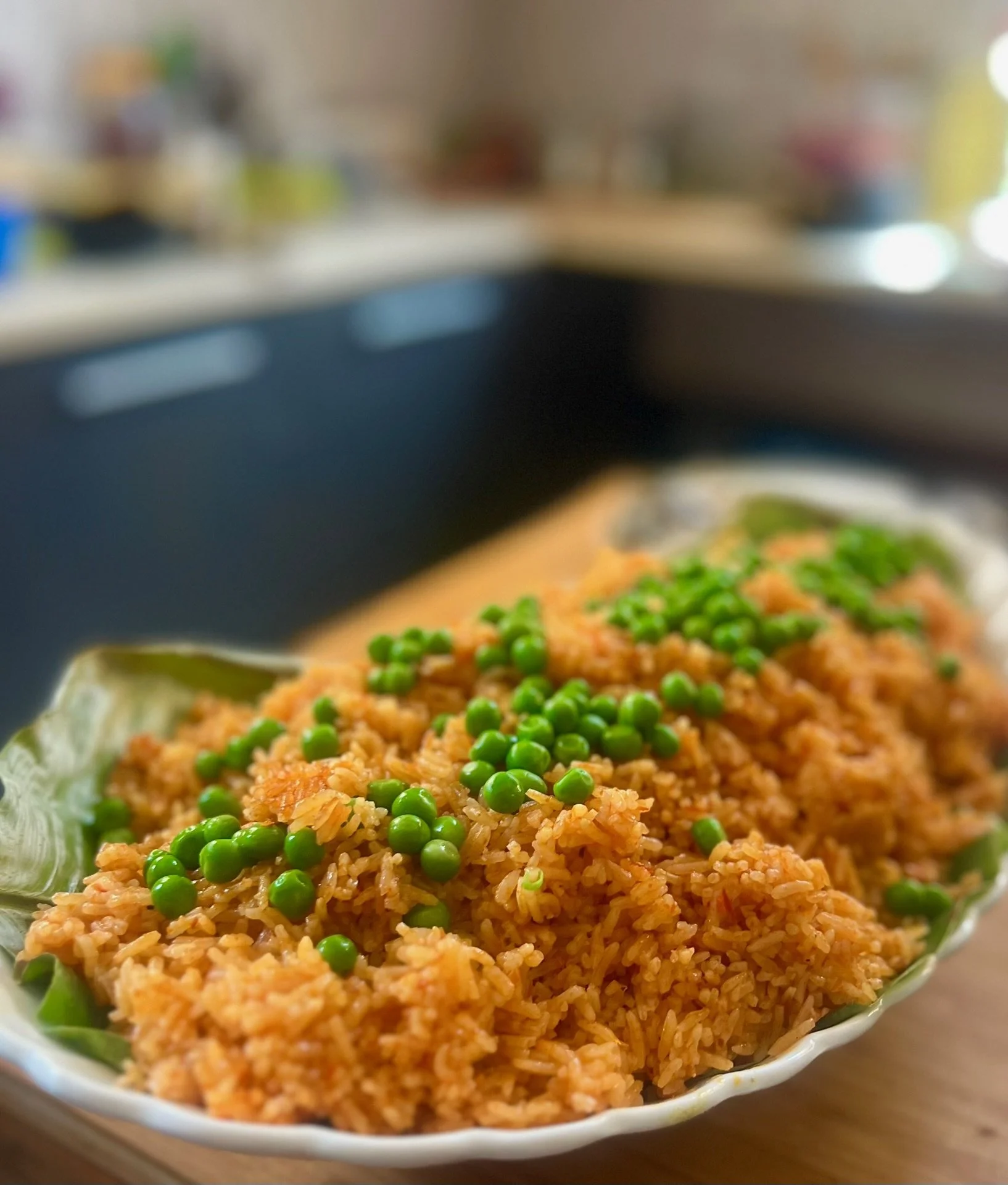
Many Ghanaians rely on styrofoam because it feels convenient. On a regular basis I see employees buying streetfood in styrofoam packs which get packaged in black rubber bags, drivers buying gobɛ for the boss in a styrofoam pack, children buying waakye for their parents in the takeaway pack, etc. Socially, takeaway packs are used to store food to distribute at funerals and other social events. When we plan ahead, we can replace the takeaway packs with eco-friendly food packaging which will not choke our drains because they would easily breakdown in the soil. On an individual level, keep a reusable container in the car, handbag, office, or your children’s school bags.
4. Educate Family and Friends
Change is never easy, and in Ghana, we cry for change, but when it comes to enforcement, then we shout and throw tantrums. Behavioural change is never easy because we’ve built harmful habits around our lifestyle over the years. The EPA must consistently raise awareness about the health and environmental risks posed by polystyrene packs using traditional and digital channels and townhalls through the assemblies. We, as consumers, must also educate our own family and friends who may have missed this news. Parents, schools, mosques, churches, and workplaces can encourage conversations about waste reduction and help make reusable containers socially normal again.
The EPA needs to collaborate with environmental activists and influencers (like myself) in amplifying not only the ban but also the safer, sustainable solutions to food packaging. Ghana can go back to eco-friendly traditions upheld by our grandparents, which protect not only the environment but also our health. It takes decisive action by government institutions and us, the citizens, respecting laid-down laws.