Volunteerism: Why Many Young People Get It Wrong (And Why It Still Matters)
Ask a group of young people what comes to mind when they hear the word volunteerism and you’ll likely get a mix of reactions—“free labour,” “time-wasting,” “only for NGOs,” or “something you do when you have nothing better to do.”
Sadly, these misconceptions have caused many young Ghanaians to completely overlook one of the most powerful tools for personal growth, community impact, and even career development. It’s as though they are completely ignorant of how volunteering can place them on platforms they never dreamt of or probably they do but don’t care. It’s time to change this mindset. I will share a few of my lived experiences and the drastic projection i experienced in my career life.
Let’s talk about the common myths surrounding volunteerism and the truth behind them.
Misconception 1: “Volunteerism Doesn’t Pay, So It’s a Waste of Time”
In a world where everyone is trying to survive Accra hustle and make ends meet, it’s understandable that unpaid work feels unappealing. Many young people believe that if money isn’t involved, then the effort isn’t worth it.
The truth:
Volunteerism pays-just not always in cash. It pays in skills, exposure, networks, confidence, and experience. Many people land scholarships, jobs, and opportunities because of what they learned or who they met while volunteering. In some cases, volunteer roles open doors that money simply cannot.
A friend once asked me to be a columnist in a newspaper company he was starting. Even though he said it was’nt a paid gig I gladly volunteered my skills and love for writing. I wrote about Green Homes on three consecutive times; basically how to keep an environmentally friendly home. I had a job interview a few months later in an oil company which was searching for a team assistant for an HSE department. I took along the printed copies of my articles and sat in a queue with other applicants nervously waiting for my turn. You should have seen the amazement on the department manager’s face when I showed him the articles. That very afternoon I was called with the job offer. I will never forget how i almost screamed in delight at Pinocchio’s. I had gone to sit there eating ice-cream to calm my nerves.
Misconception 2: “Volunteer Work Is Only for Rich or Privileged People”
There’s a belief that volunteering is a luxury—something only people with spare time, money, or connections can afford to do.
The truth:
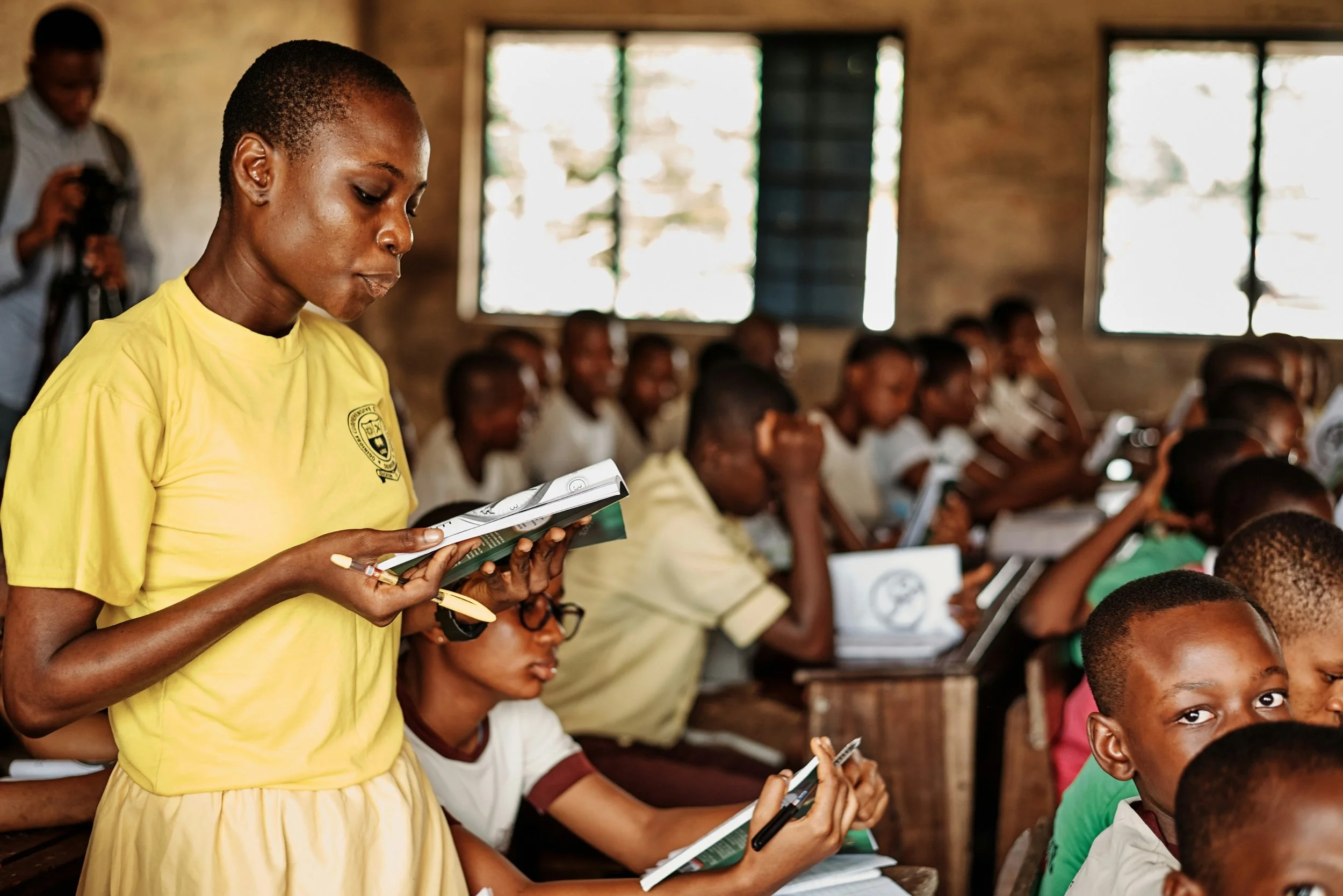
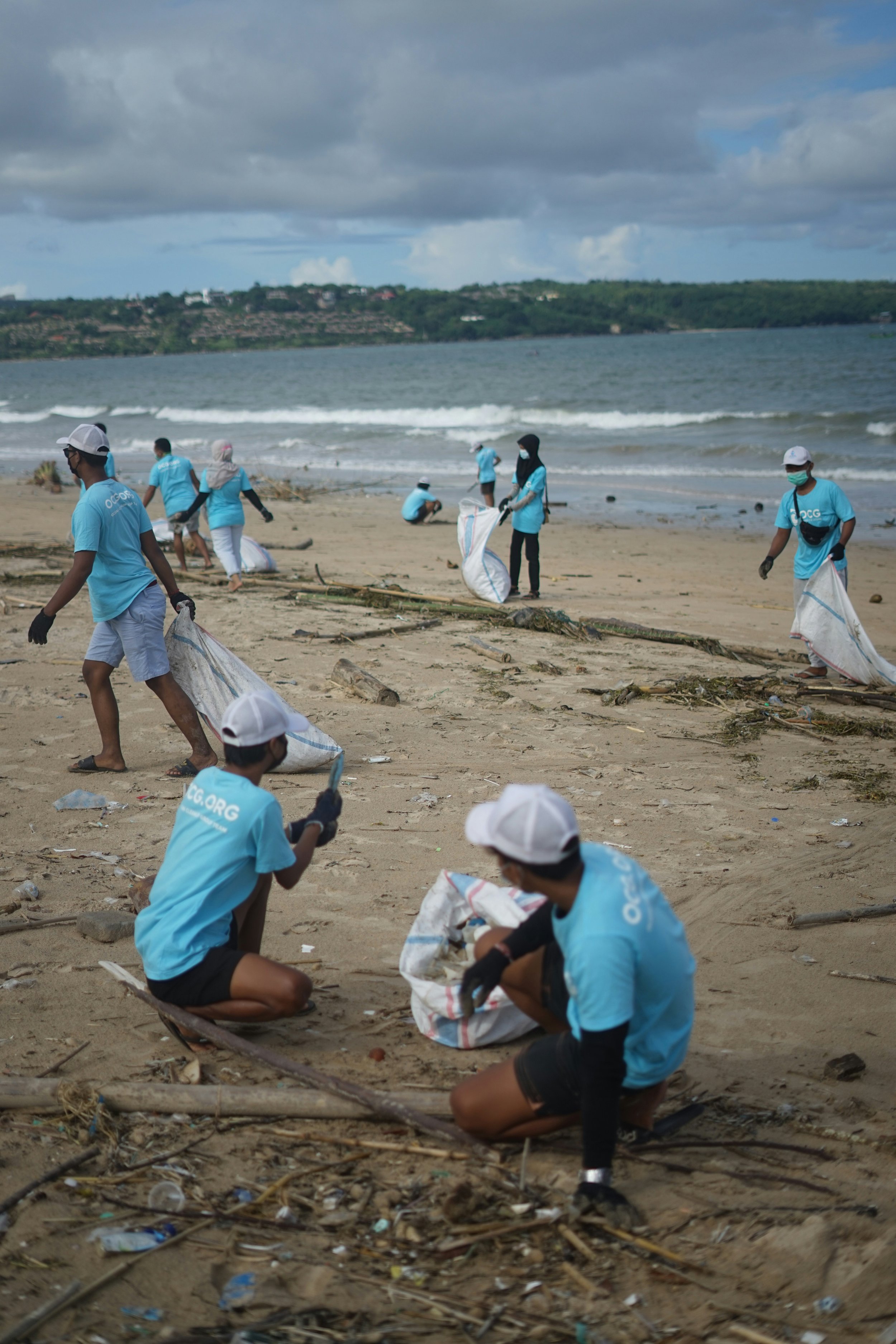
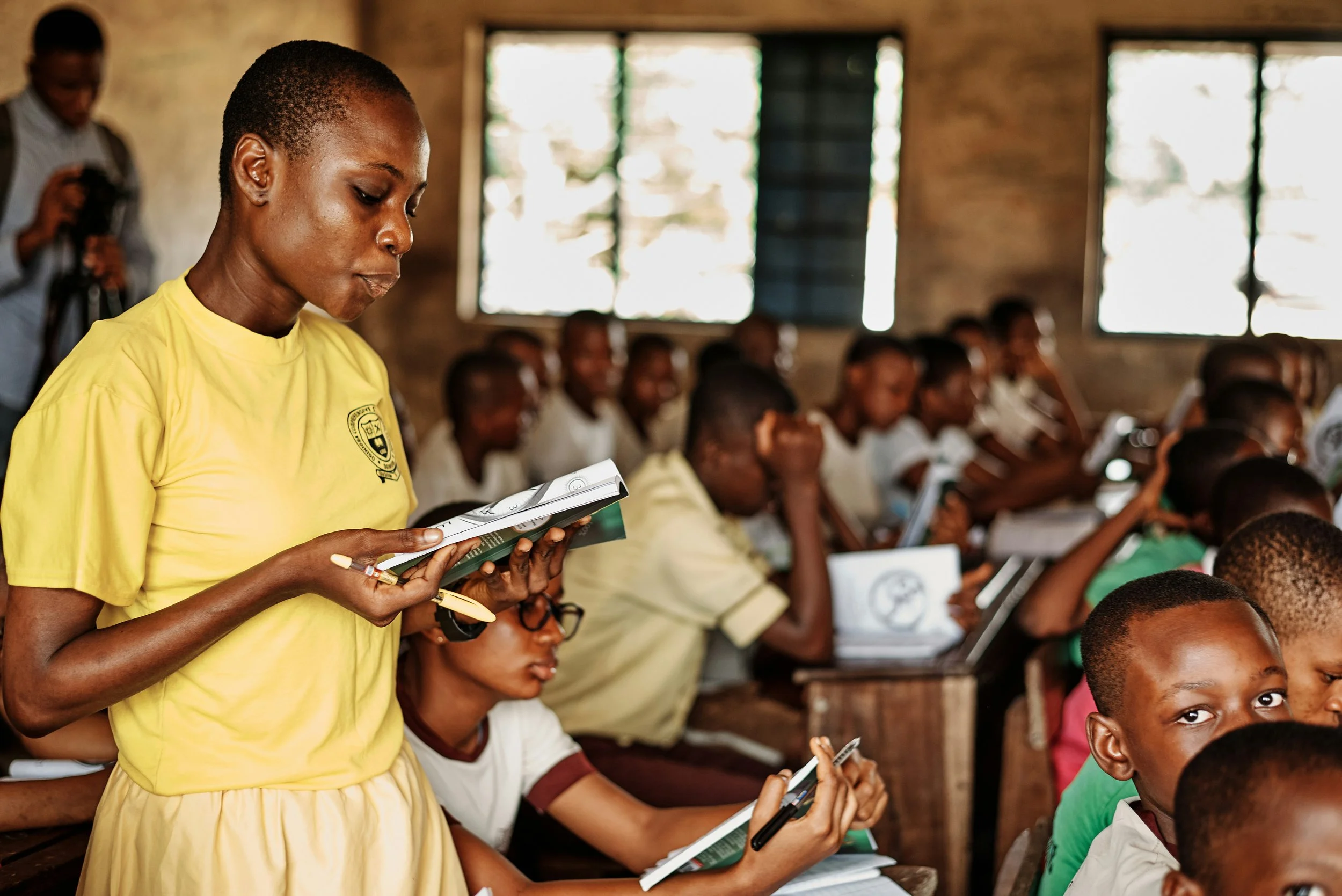
Volunteerism is not about wealth; it’s about willingness. From helping at Labadi beach, Chorkor beach community clean-ups to mentoring younger children in government schools, assisting at church, or supporting local arts & crafts initiatives, volunteering often happens right where you live. Some of the most impactful volunteers come from humble backgrounds and serve within their own communities.
Misconception 3: “It Has Nothing to Do With My Career Goals
Many youths see volunteering as unrelated to their professional dreams. If it doesn’t directly match their field of study, they dismiss it.
The truth:
Volunteerism builds transferable skills such as leadership, communication, teamwork, problem-solving, and empathy. Volunters get to lead small groups to complete projects, they learn public speaking to communities and get to see first hand how much others need basic social amenities. These skills are priceless and building on them puts you ahead of your future colleagues. I volunteered with UNDP a few times and getting the opportunity to speak to students actually made me more courageous to stand infront of professional adults to deliver lectures on social media marketing. These are skills employers value across every industry. Whether you’re interested in business, media, health, tech, or education, volunteering helps shape the kind of person people want to work with.
Misconception 4: “Volunteerism Is Only About Helping Others”
While helping others is a big part of it, this belief ignores the personal transformation that happens along the way.
The truth:
Volunteerism also helps you. It builds character, teaches responsibility, exposes you to real-life challenges, and often reshapes your worldview. You get to talk on different platforms about your experiences. Imagine you’re on a date, you literally have fascinating experiences to share with him or her. Many young people discover purpose, clarity, and direction through service. Giving your time can help you better understand who you are and what truly matters to you.
Misconception 5: “My Small Effort Won’t Make a Difference”
Some youths feel that unless they can do something big, visible, or viral, their contribution doesn’t matter.
The truth:
Change often starts small. Too many young persons today are dead focused on trends and going viral. The rush and adrenaline to be the ‘first’ in showing off is addictive. However, one hour, one person, one act of service can create a ripple effect. Teaching one child, helping one aged neighbour in your community, or showing up consistently can have a lasting impact that may never trend online but matters deeply in real life. Do it for you not for the algorithm or digital applause.
Redefining Volunteerism for Today’s Youth
Volunteerism is not outdated, boring, or irrelevant. It simply needs to be reintroduced in a way that aligns with today’s realities. It can be flexible, skill-based, short-term, digital, or community-focused. It can fit around school, work, and family life. As a volunteer look for opportunities on LinkedIn or X where many organisations post about volunteering opportunities. Ask questions about the upcoming project and see if your interest aligns or what lessons you can gain from partaking. Organisations who also seek out volunteers should do their part in honoring their side of the agreement i.e if payment is included and other perks if available.
More importantly, volunteerism reminds us that we are not just consumers in society but also valuable contributors.
If more young people looked beyond the misconceptions, they would see volunteerism for what it truly is: an investment in themselves, their communities, and the future they hope to live in.
You don’t need to have everything figured out to serve. Sometimes, serving helps you figure things out and that’s on period!
Here are 9 examples of Volunteering activities you can engage in Ghana:
Community health outreach: support vaccination drives, maternal and child health education, malaria prevention, and basic first aid training.
Clean water and sanitation projects: build or maintain boreholes and handwashing stations; run hygiene education sessions in collaboration with NGOs.
Youth mentorship and leadership programs: join Barcamp workshops, join Blogging Ghana workshops, connect with organizations which work with schools in Ghana.
Women’s economic empowerment: skills training (e.g., tailoring, soap-making), and market access initiatives.
Environmental conservation and reforestation — organize tree-planting drives, beach cleanups, and community education on waste management.
Disability and inclusive education support — assist in special education classrooms, provide mobility aid distribution, and advocate for accessibility.
Public health research and data collection — conduct community surveys, monitor disease outbreaks, and support health information systems.
Cultural preservation and arts programs — document local traditions, teach crafts or music, and help organize community festivals or museum exhibits.
Teaching assistant in rural primary schools: help with classroom instruction, literacy programs, and after-school tutoring.